Le Temps du Fossé was a qualitative diagnosis that considered
lived space
perceived space
inhabited space
navigated space
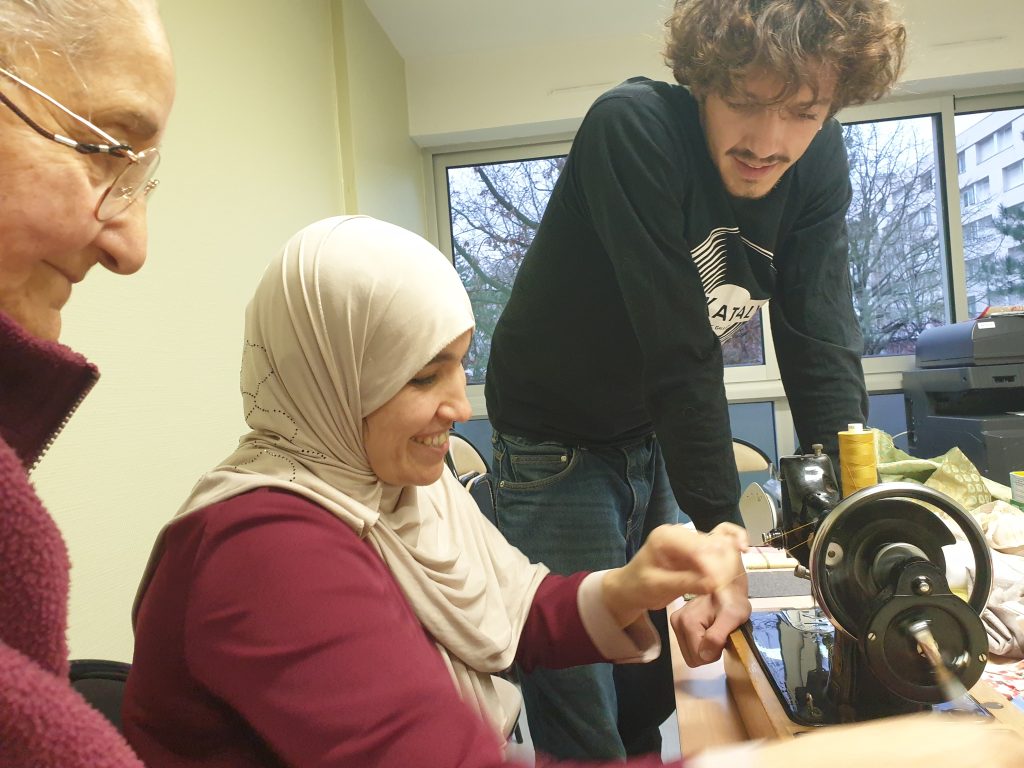
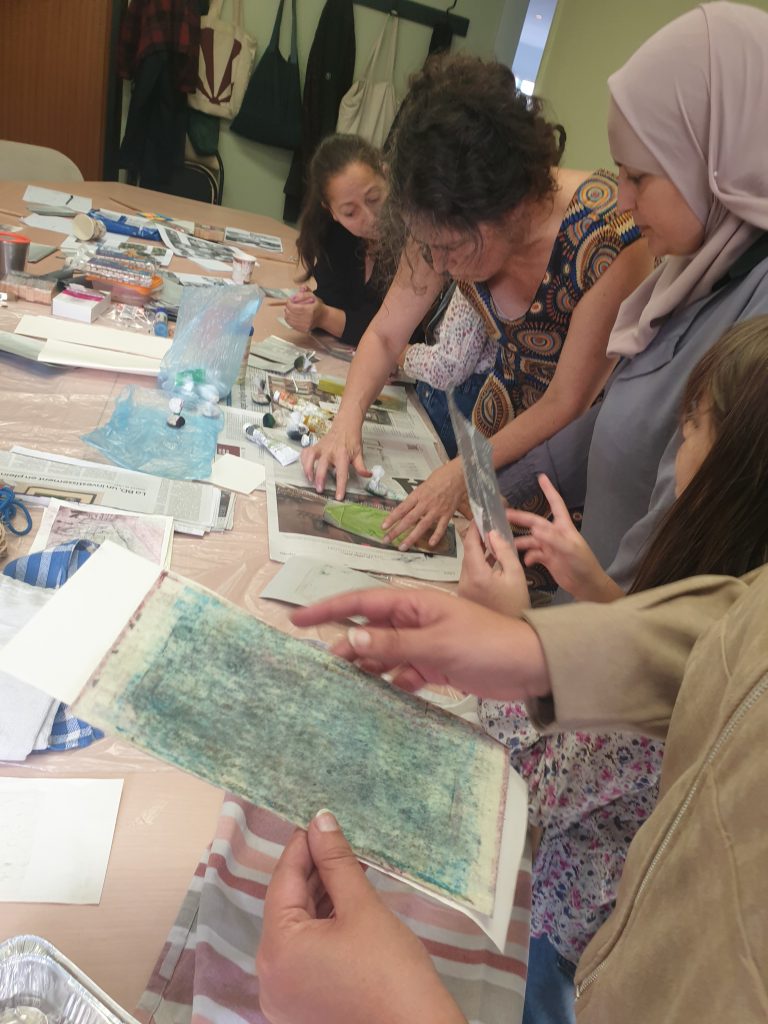
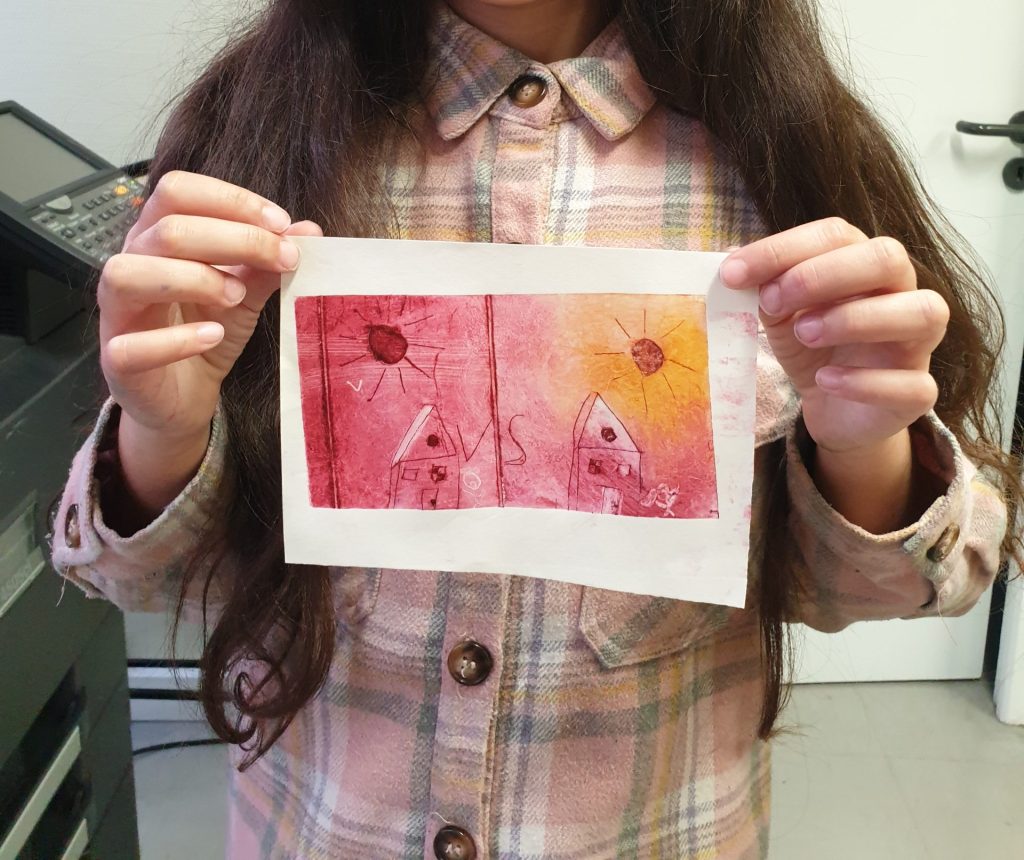
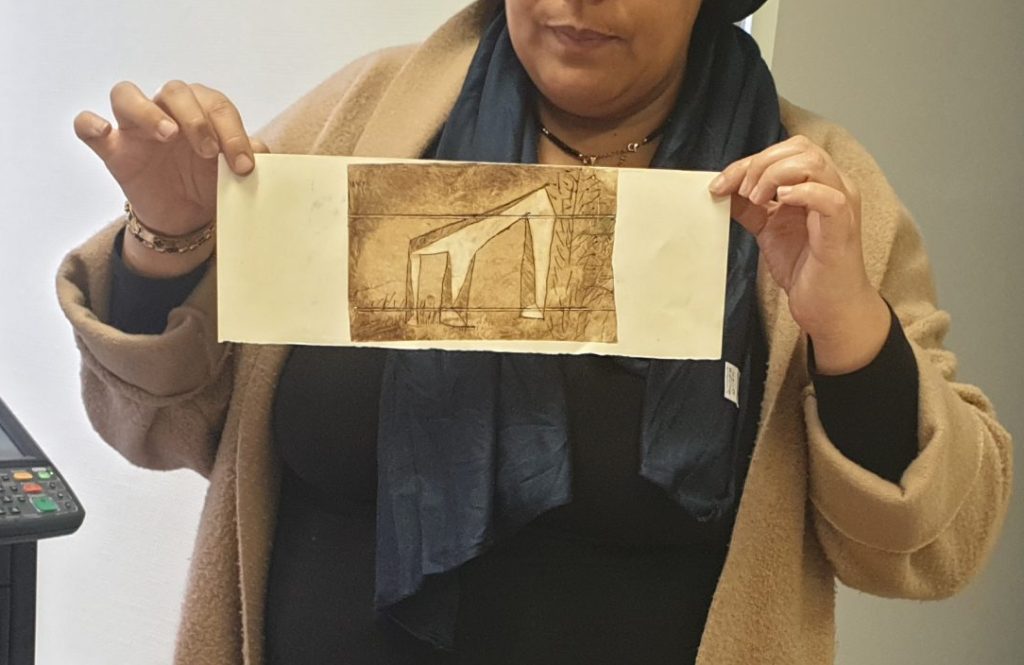
Arts methodologies were employed to give shape and form to the sensitive intimate knowledge of hidden norms, local forces and fragilities, informal networks, conjectures, hopes, and invisible connections, whether human, plant, mineral, atmospheric, or immaterial, and to preserve, celebrate and support these. A plurality of oral testimonies were collected and shared concerning the needs of the neighbourhood, its strengths and weaknesses. They revealed opinions and feelings about the life of the neighborhood in all its complexity: the built landscape, infrastructures and opportunities and daily neighbourhood practices.
-
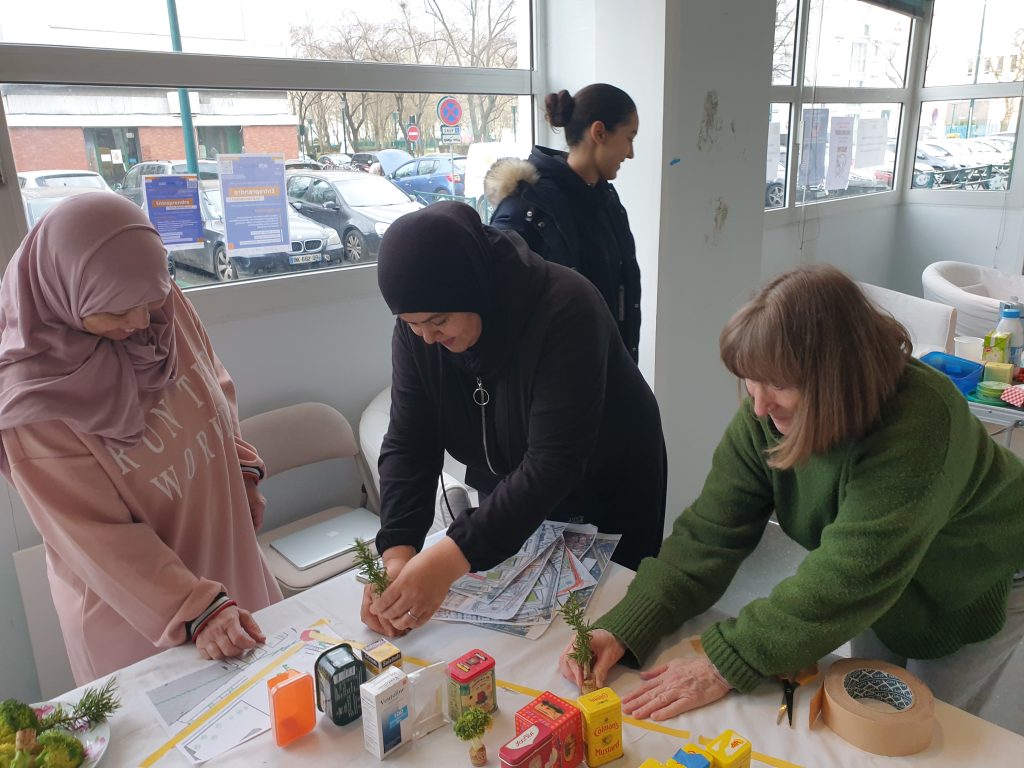
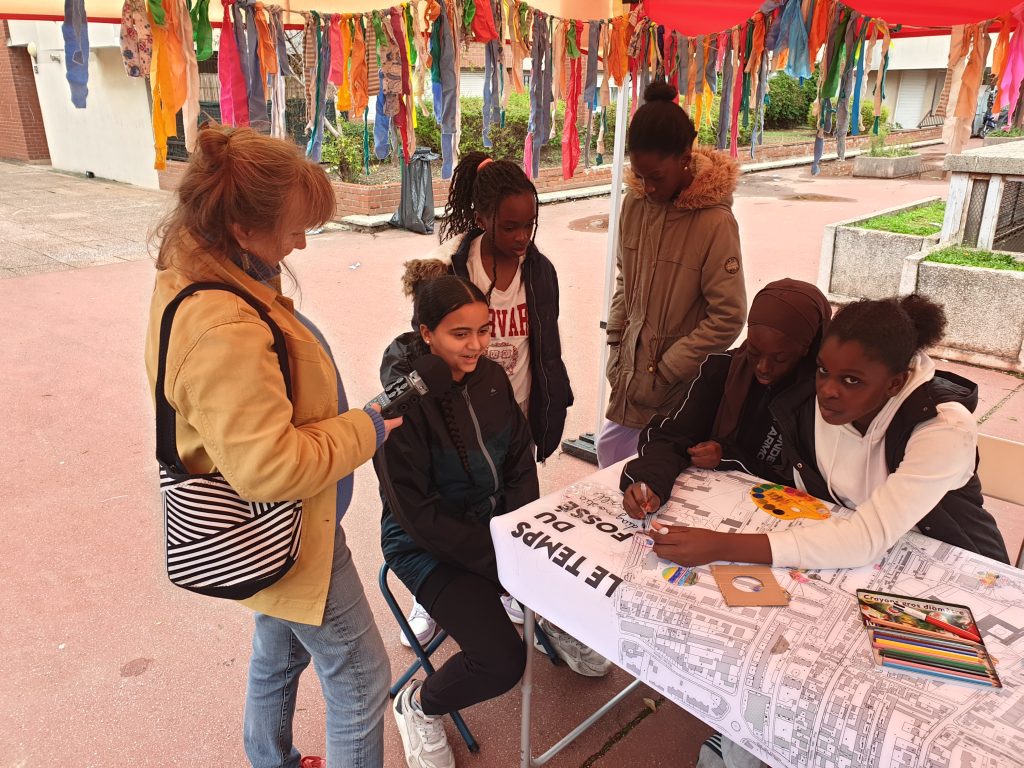
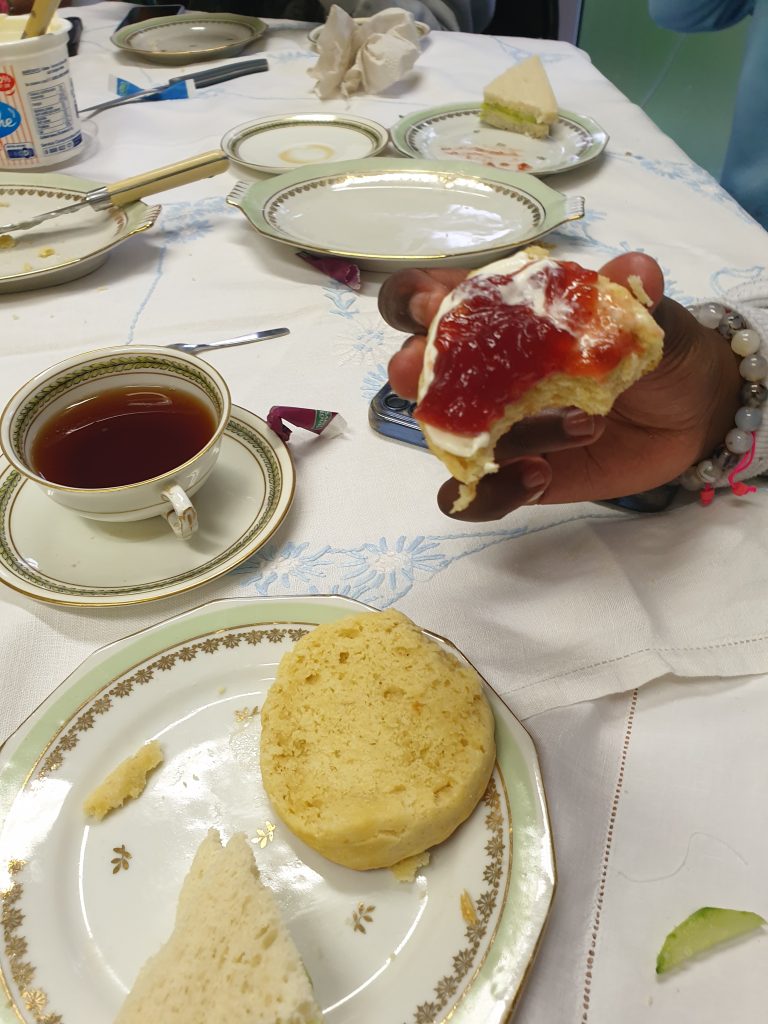
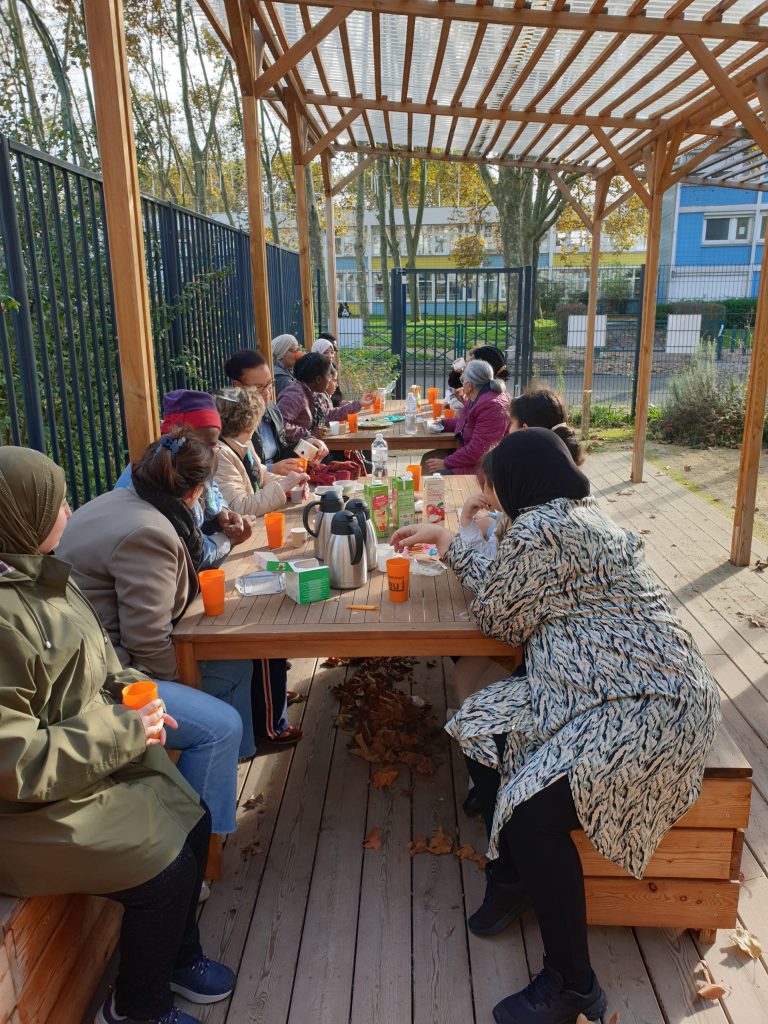
- collection of testimonies during both informal pop-up street interventions, breakfasts and tea-times with focus groups and individual semi-structured interviews.
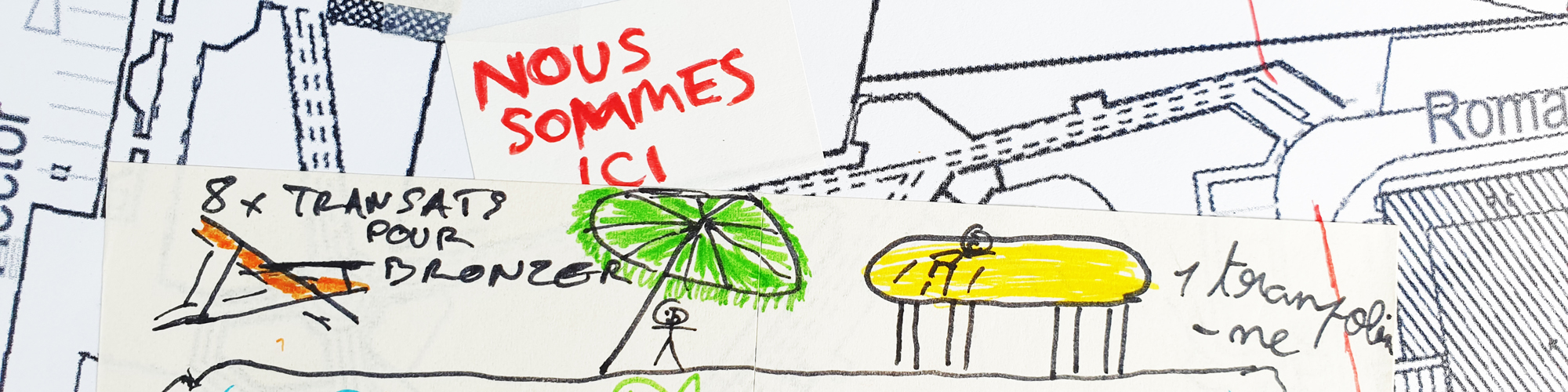
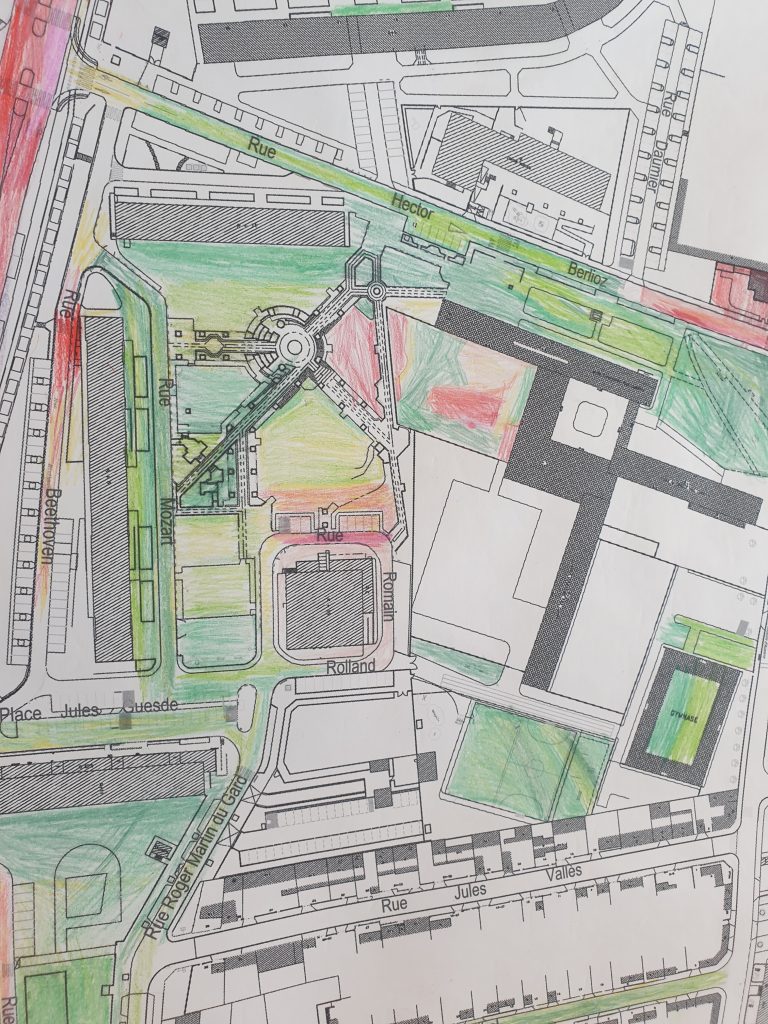
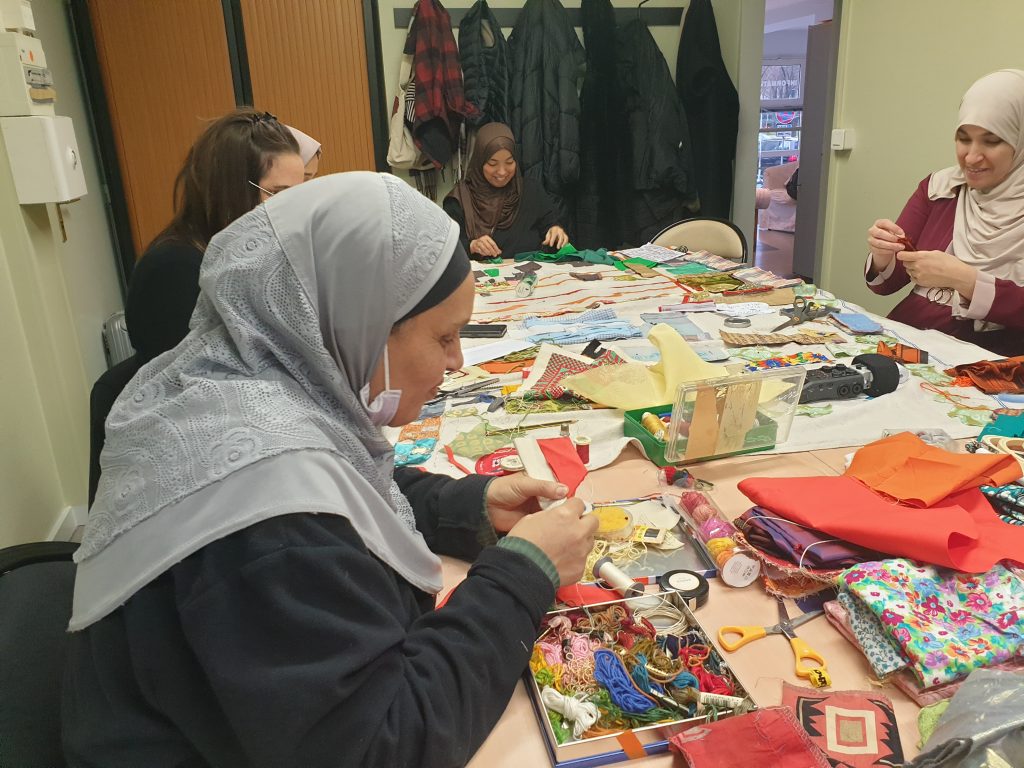
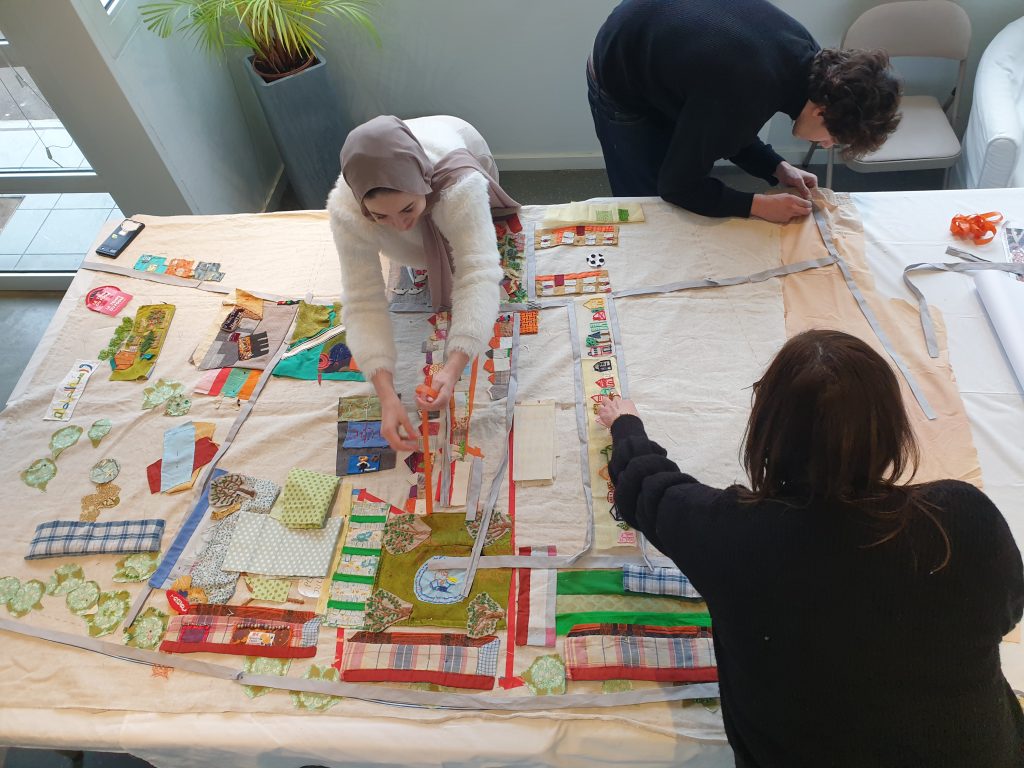
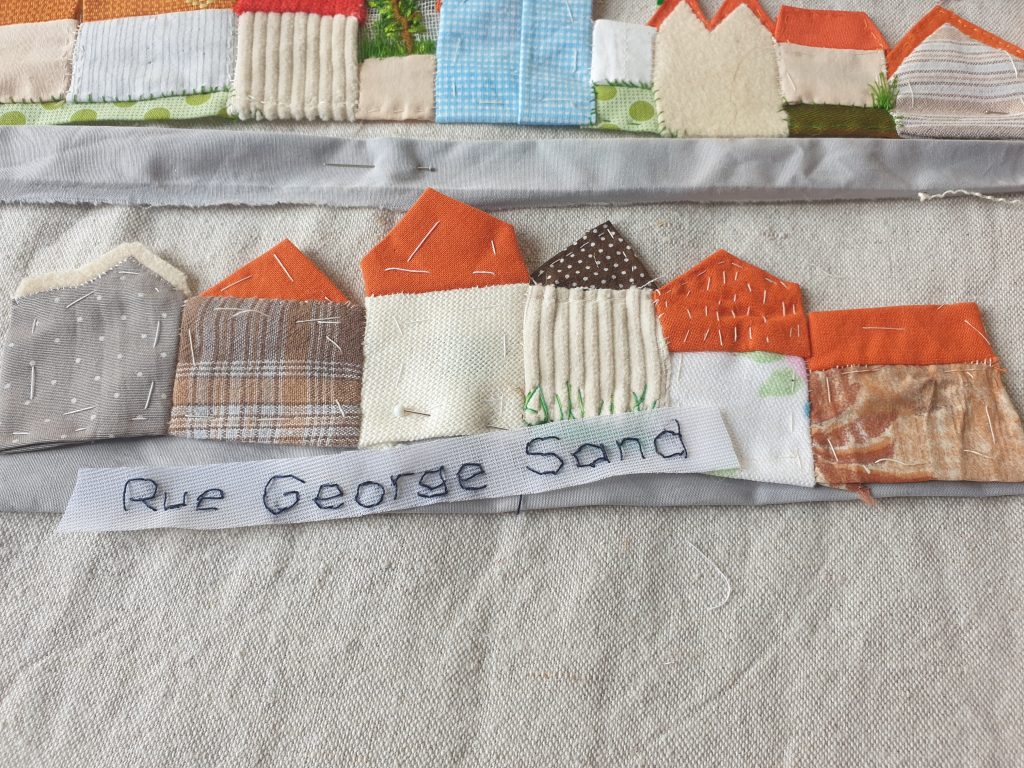
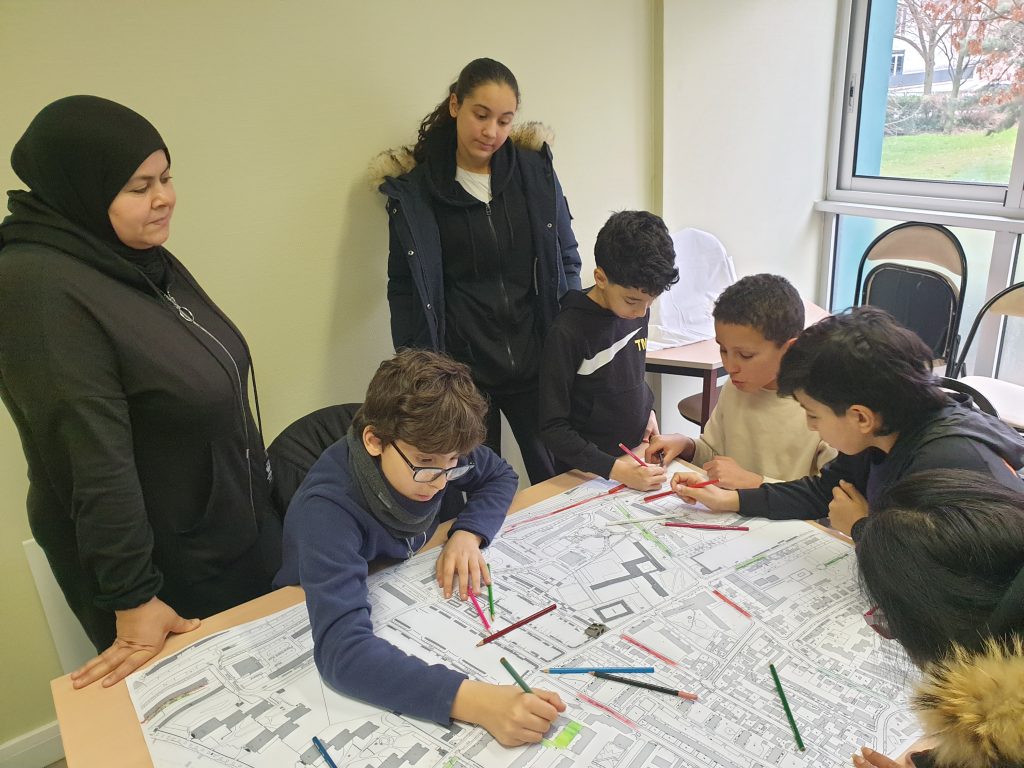
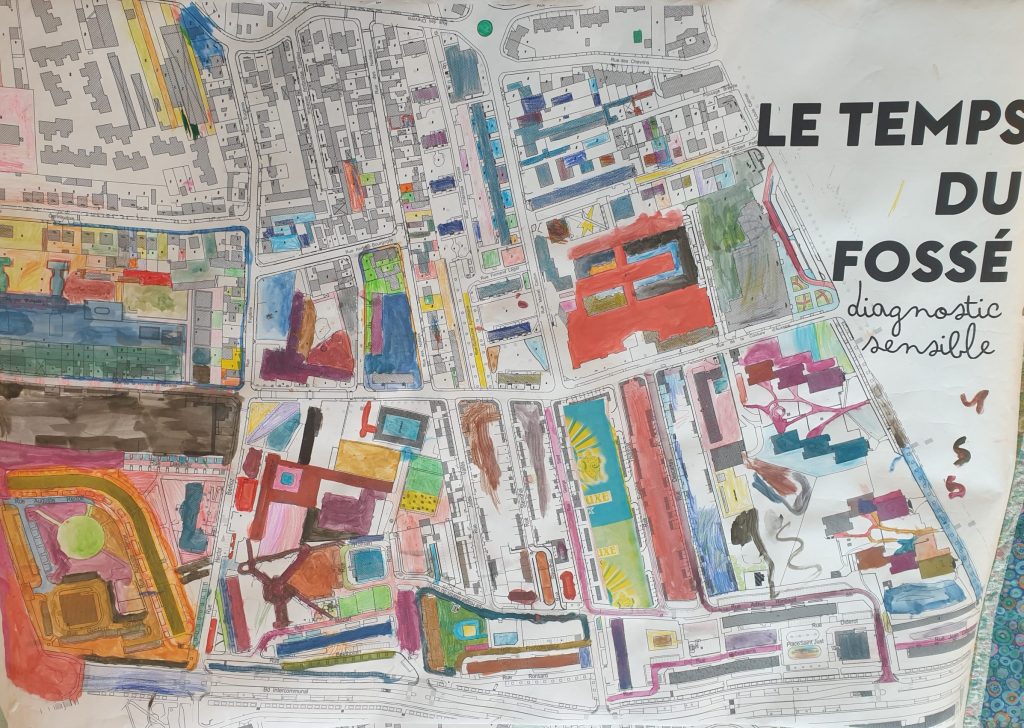
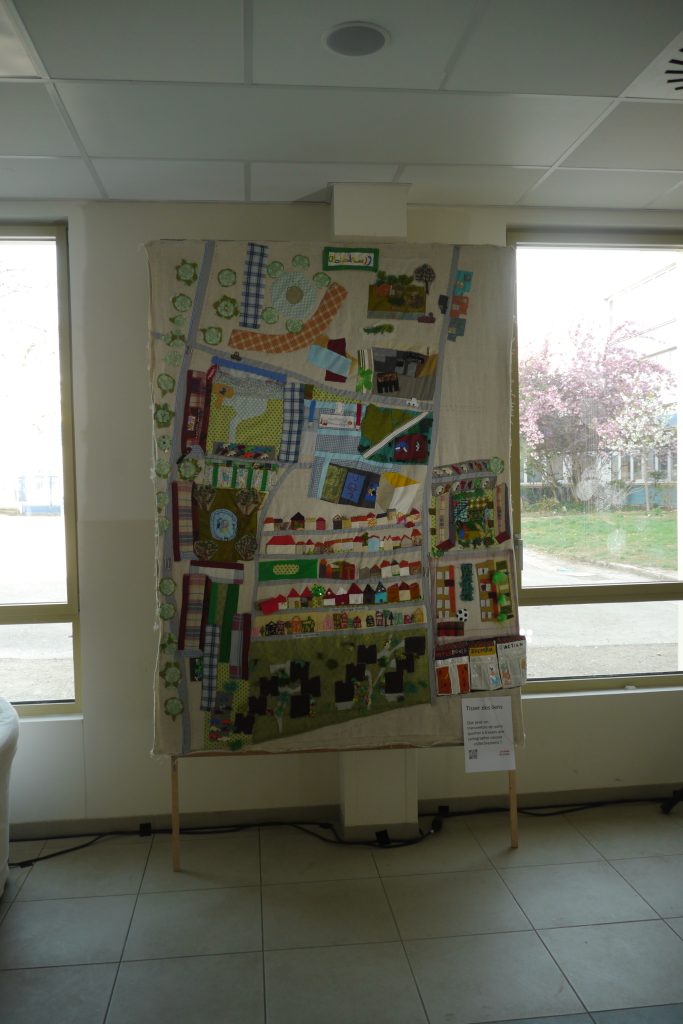
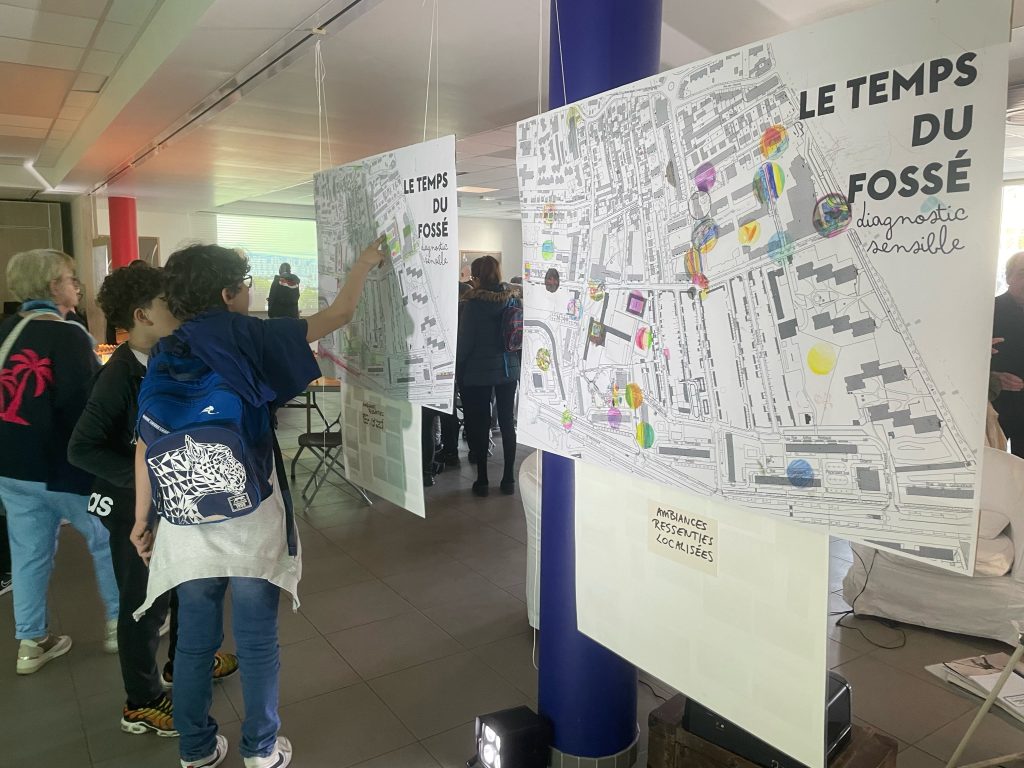
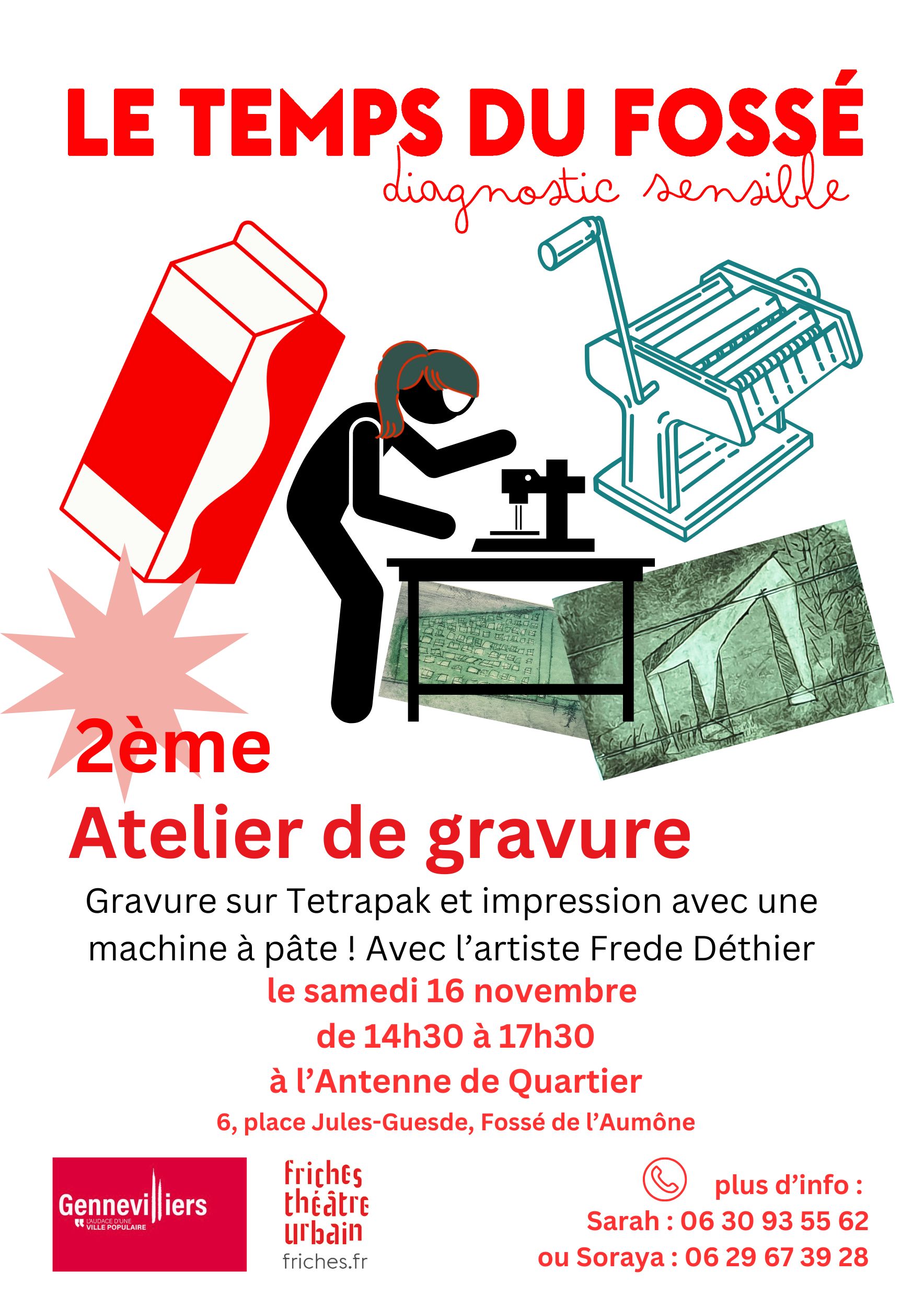
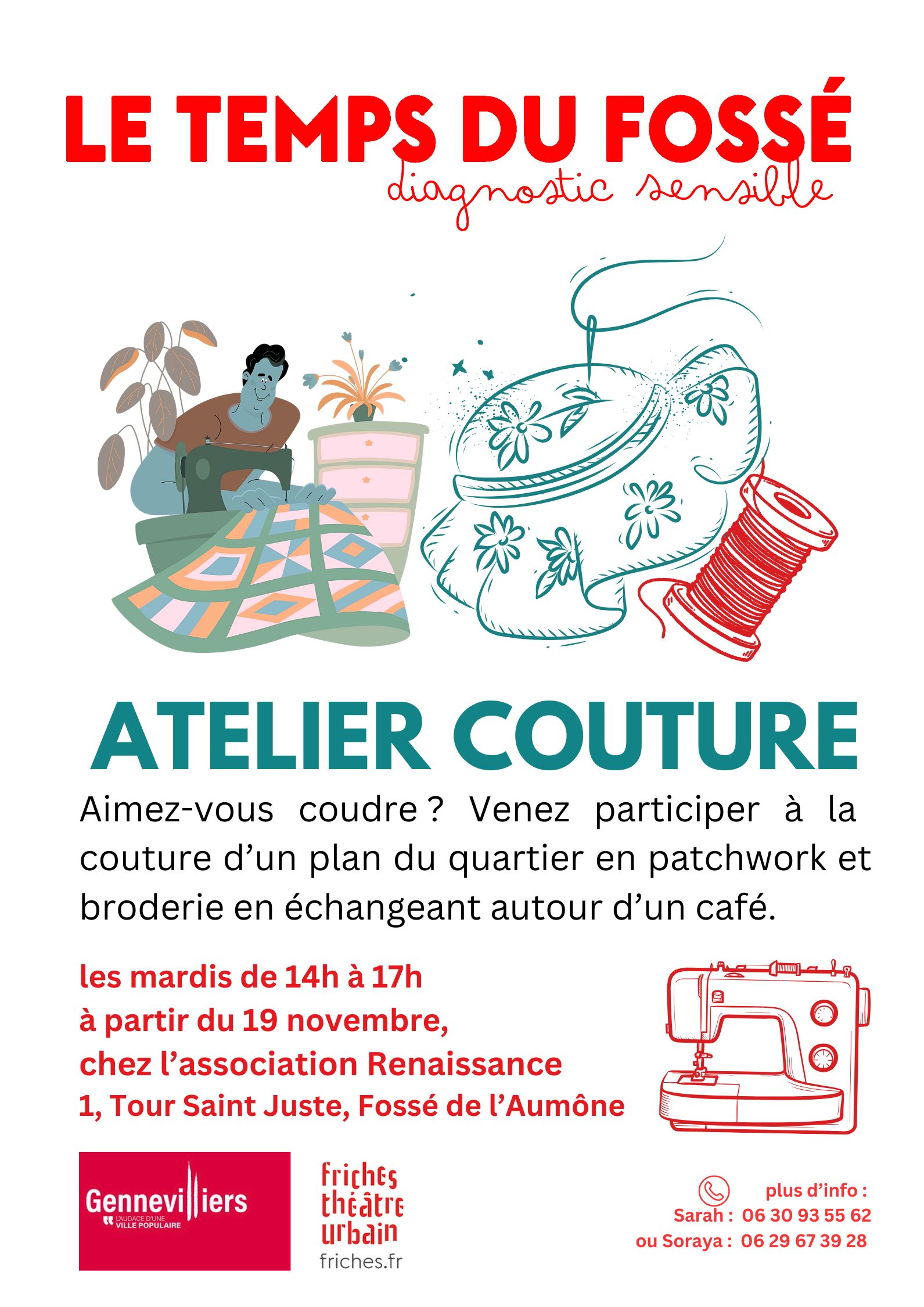
- collaborative mapping: sewn maps, engraved maps, drawn and coloured pathway maps, atmosphere maps, sound maps,
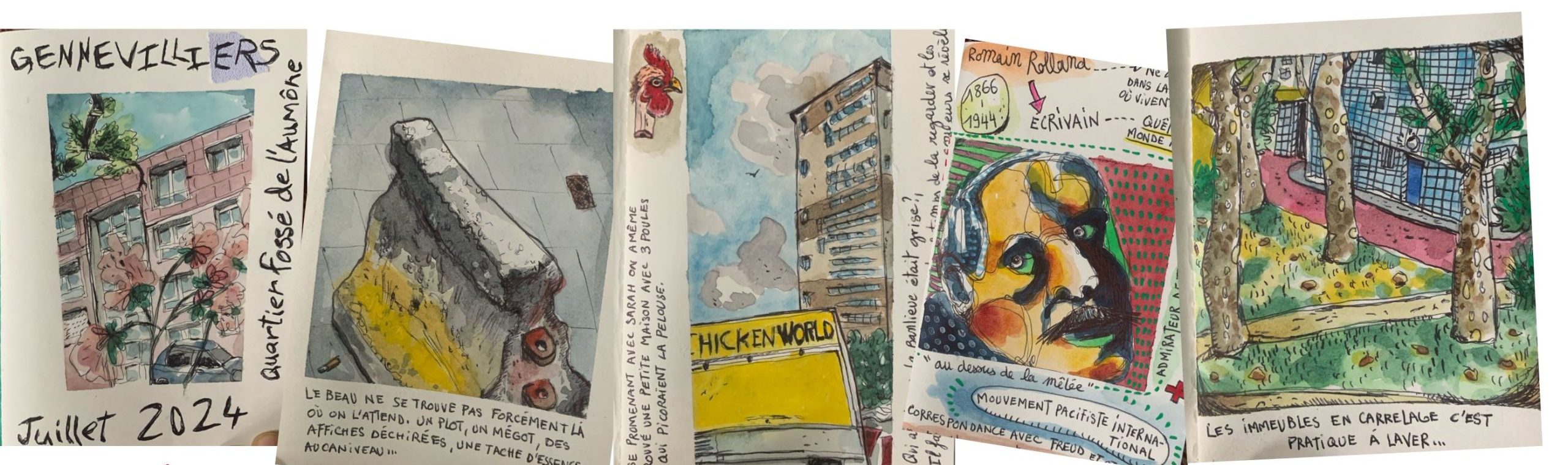
- drawings and travel diaries
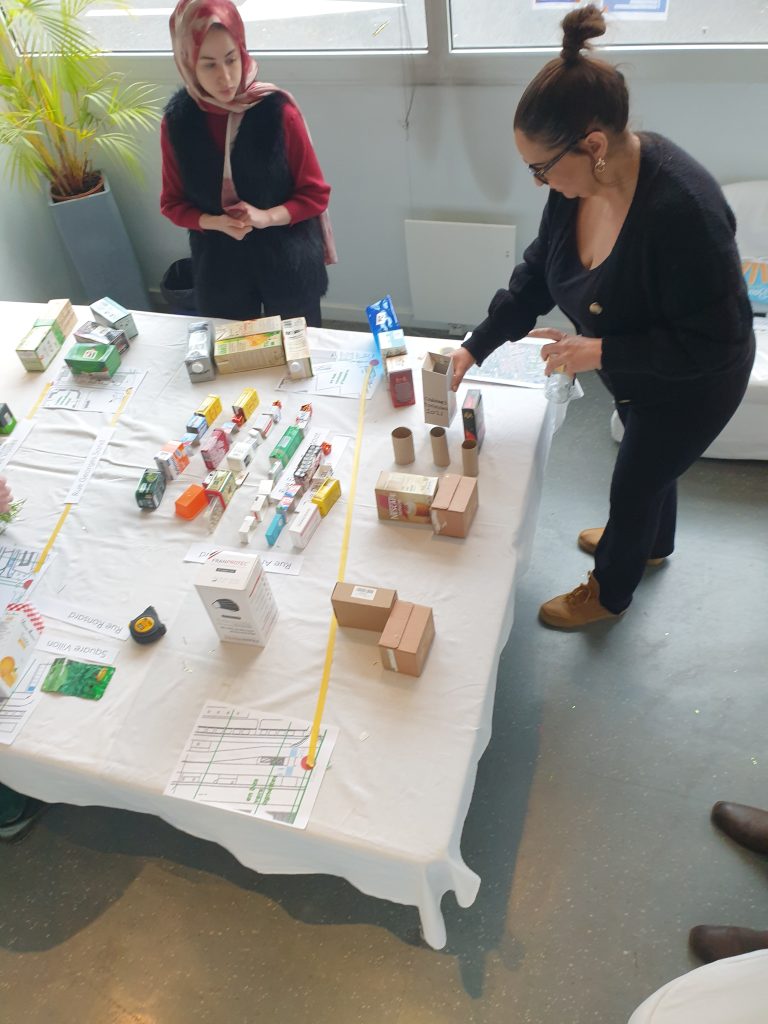
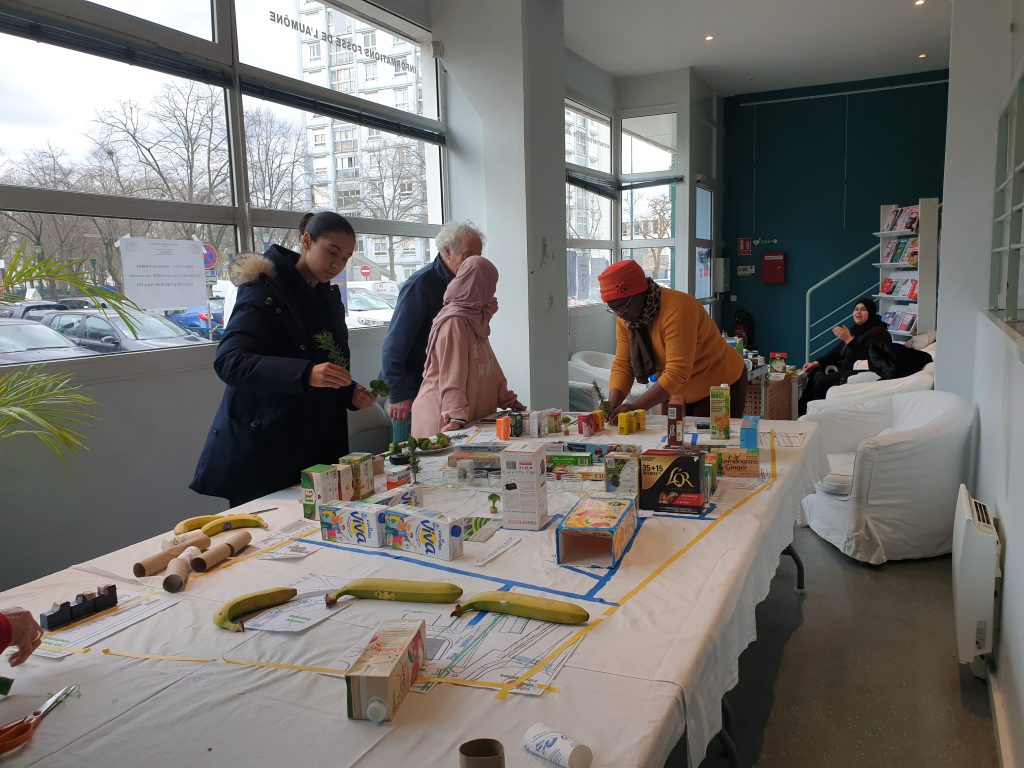
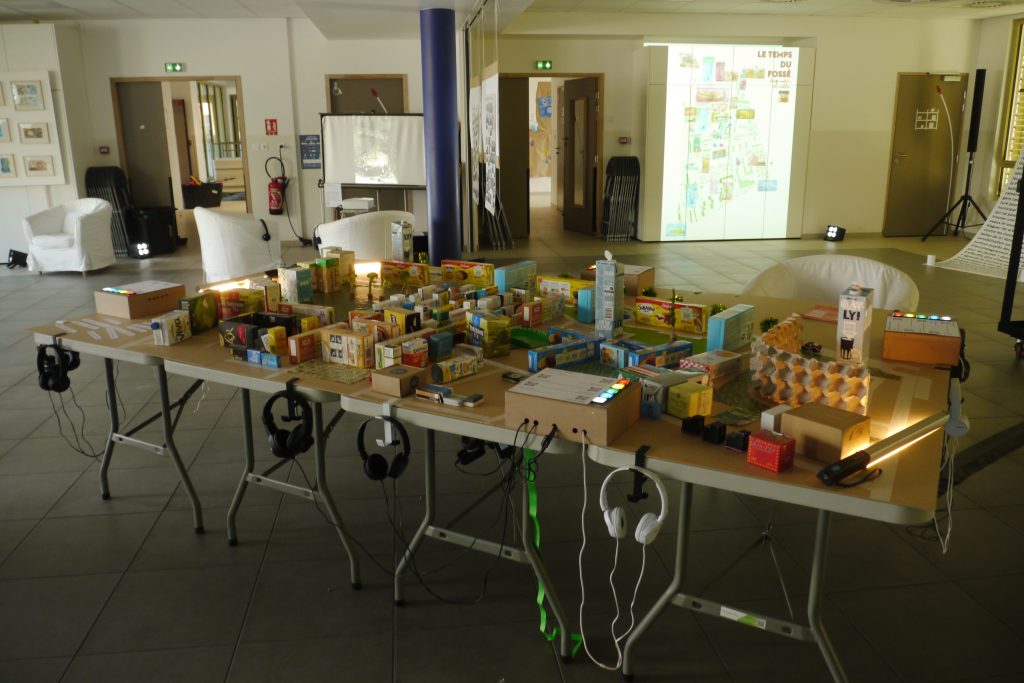
- participatory modelling of the built, the invisible and the felt environment
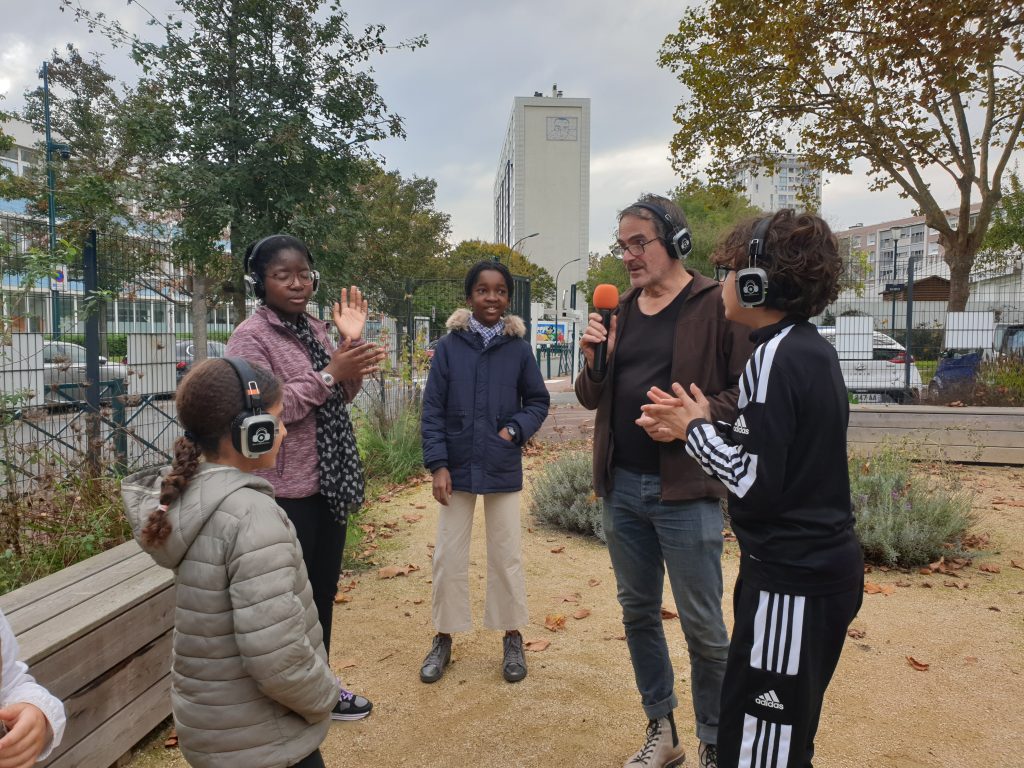
- co-designed sound walk linking memories, history and key contemporary landmarks of the neighbourhood.
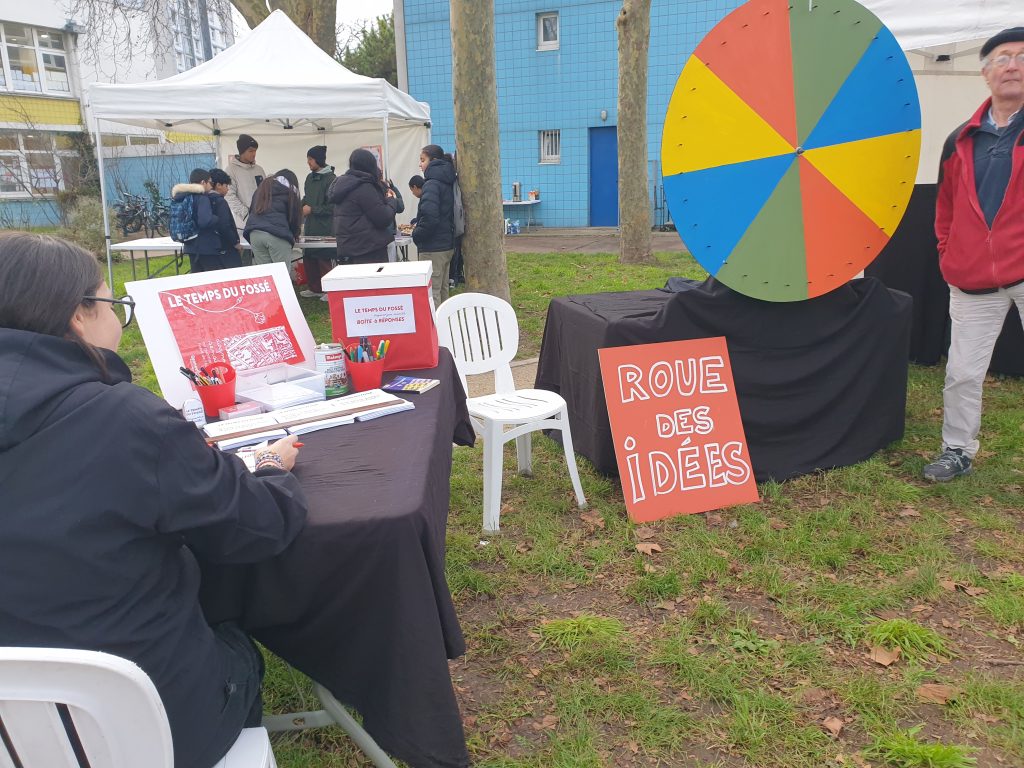
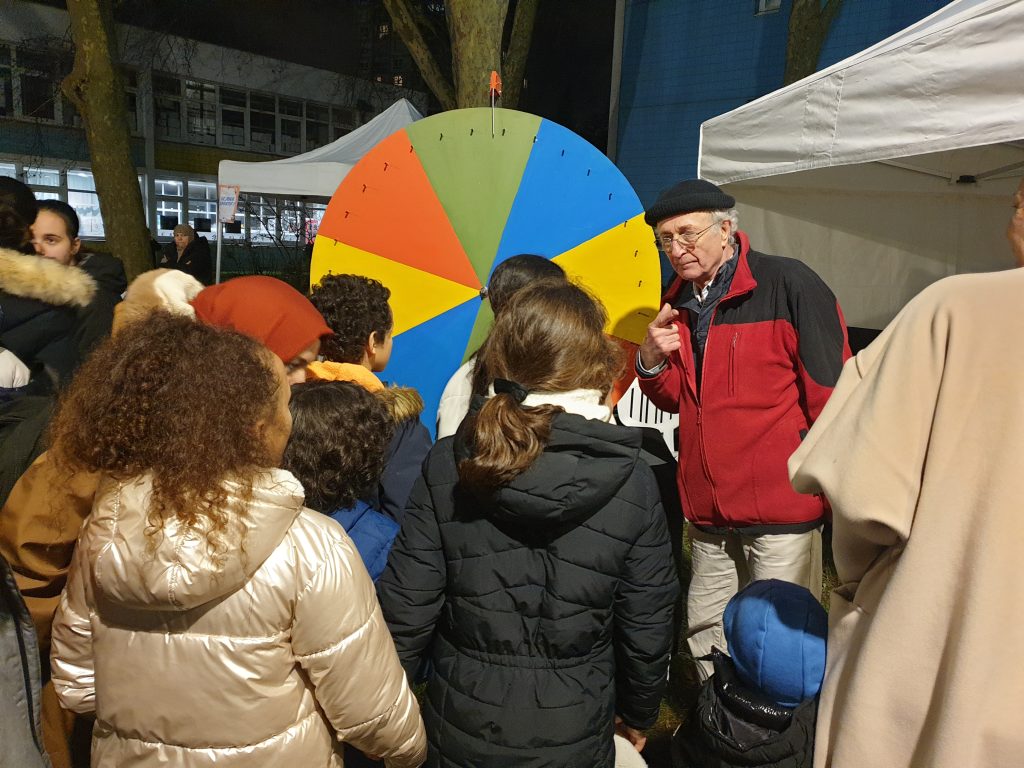
- impromptu interventions in public and collective spaces
- a quantitative survey in the form of a questionnaire, targeting a significant number of residents and users, collected throughout the project; a questionnaire co-created with focus groups of residents, to defining questions and directions.
- a restitution in the form of a multimedia exhibition
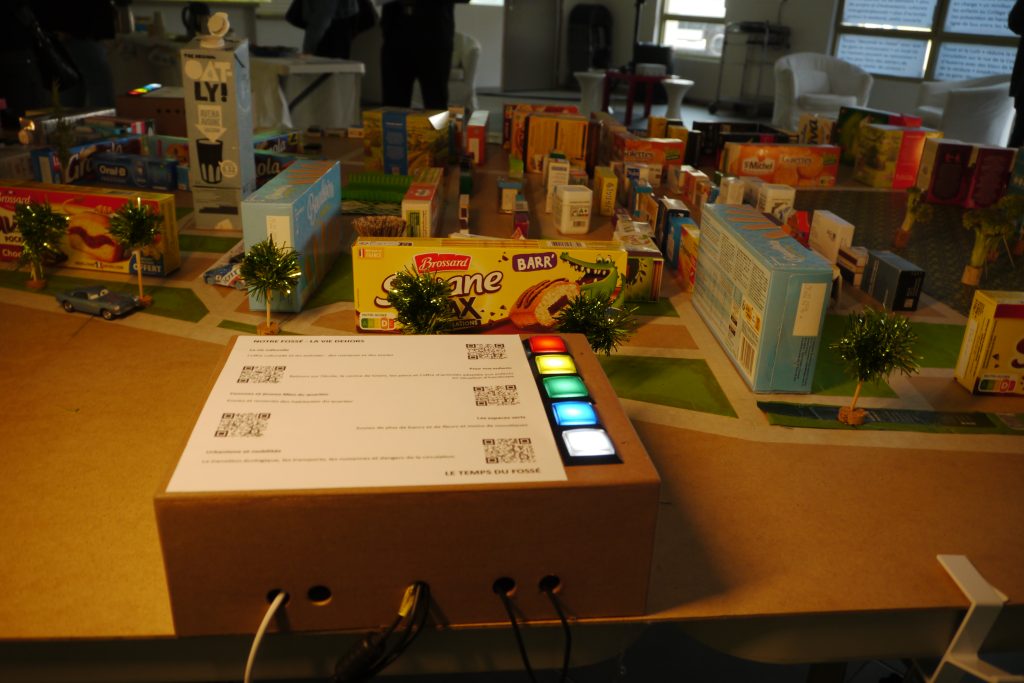
- a corpus of sound testimonies, organised by themes and accessible by QR codes
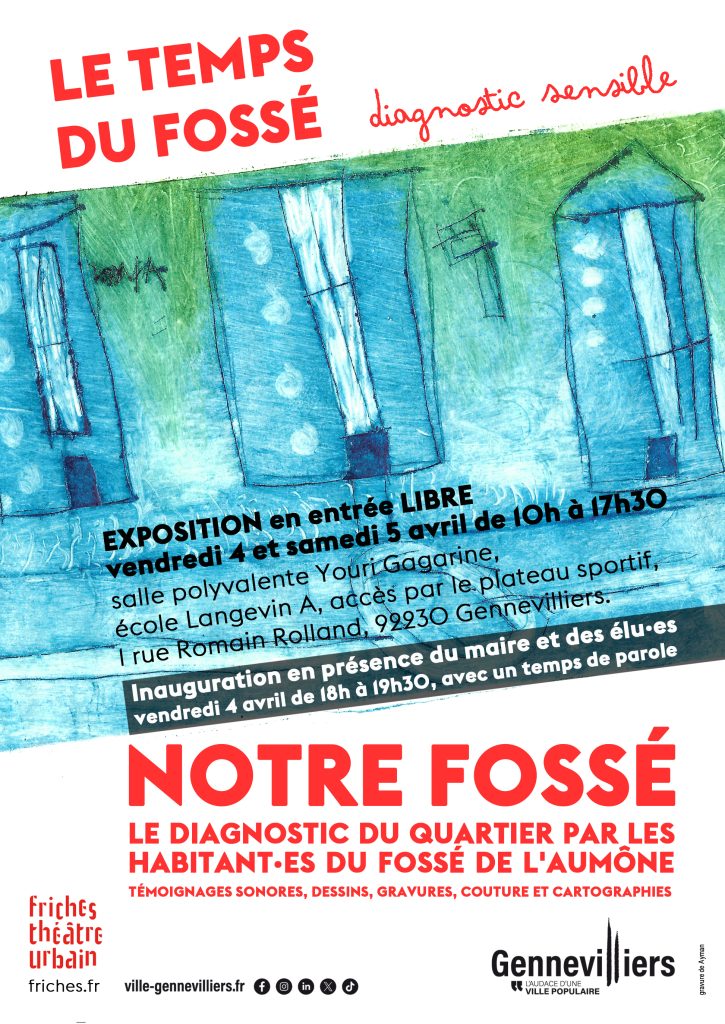
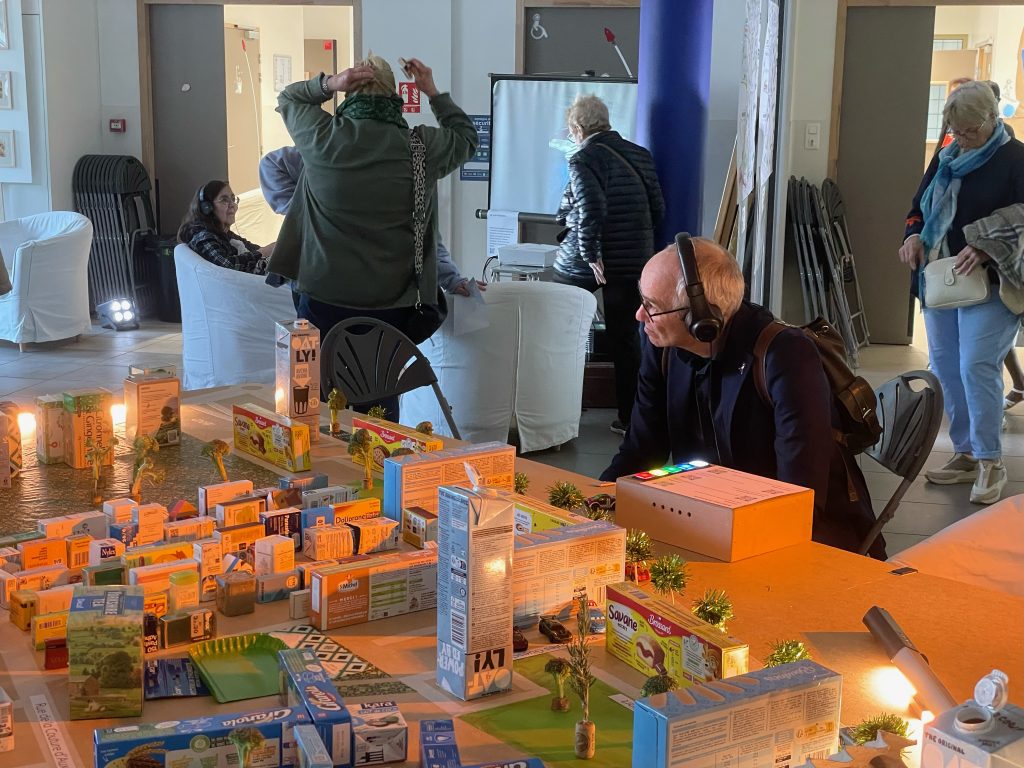
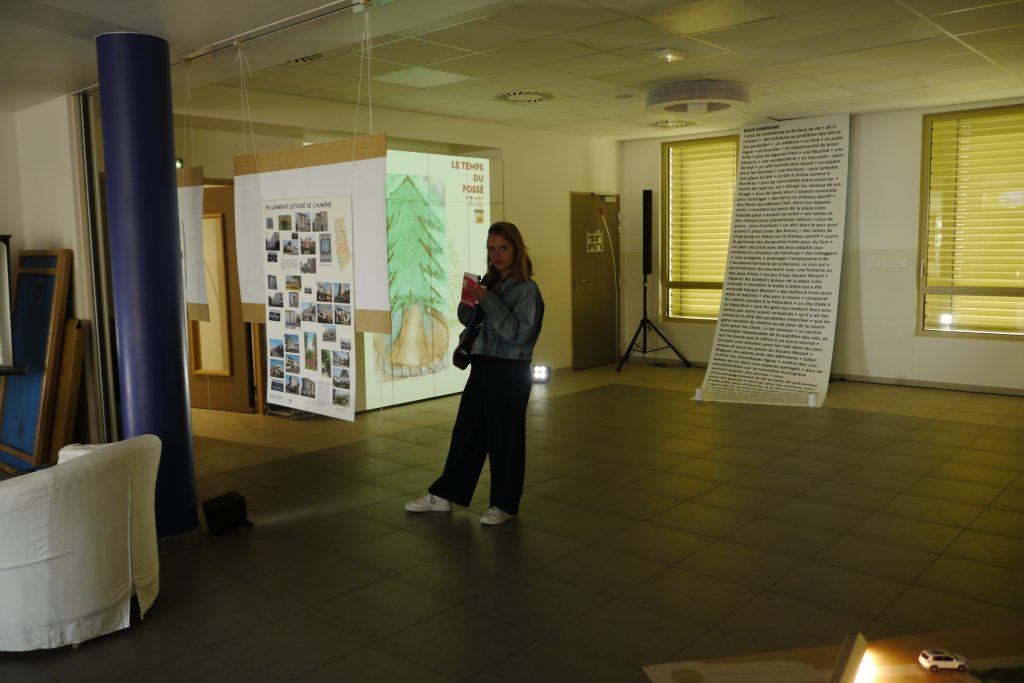
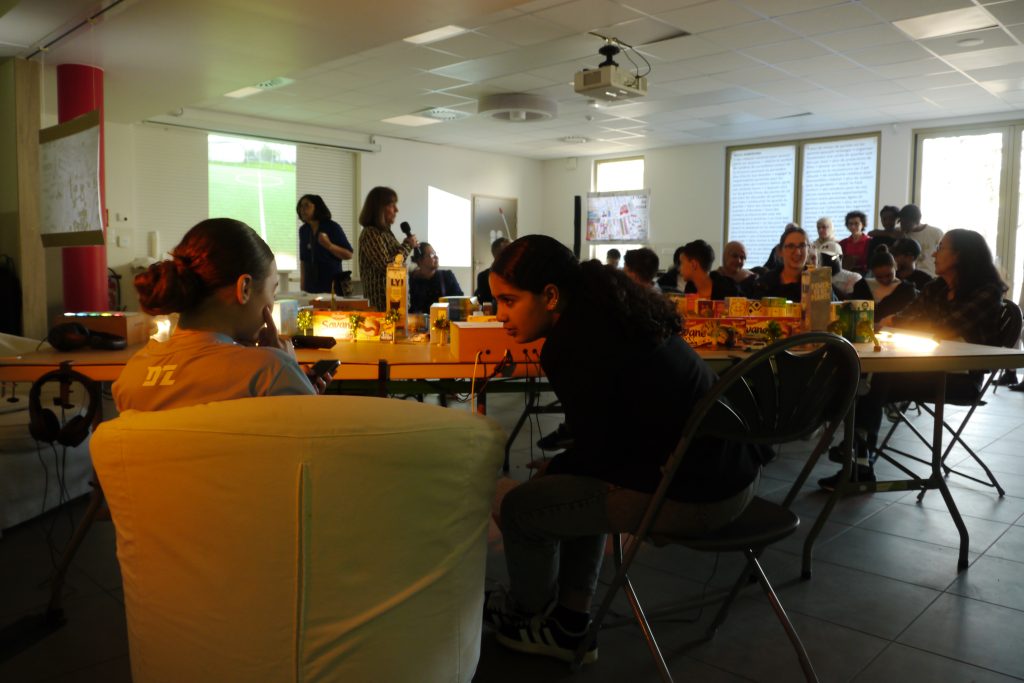
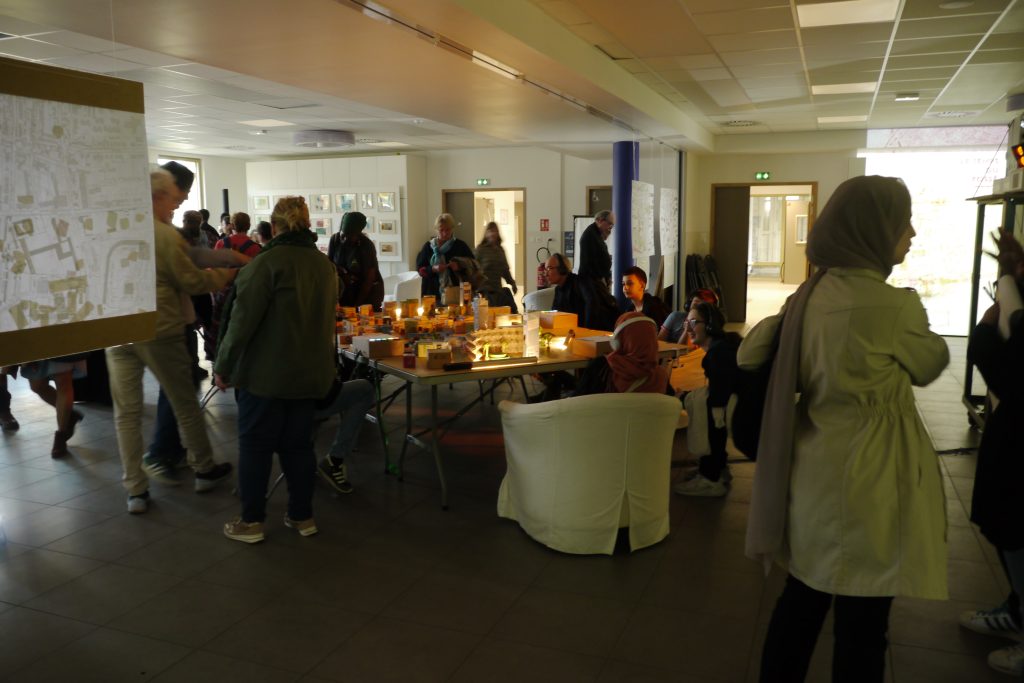
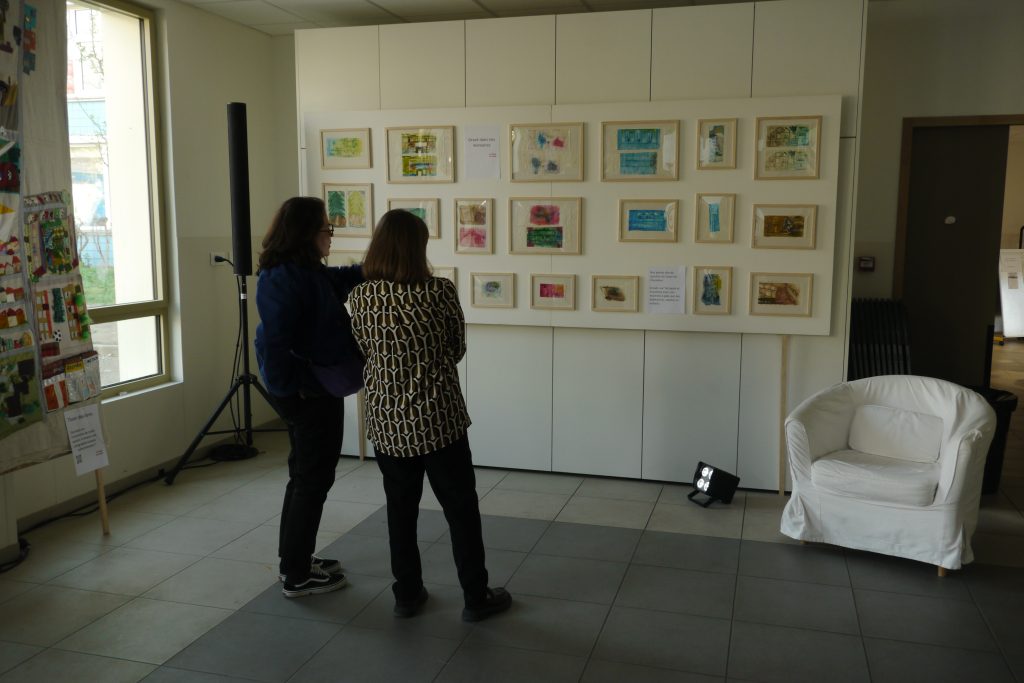
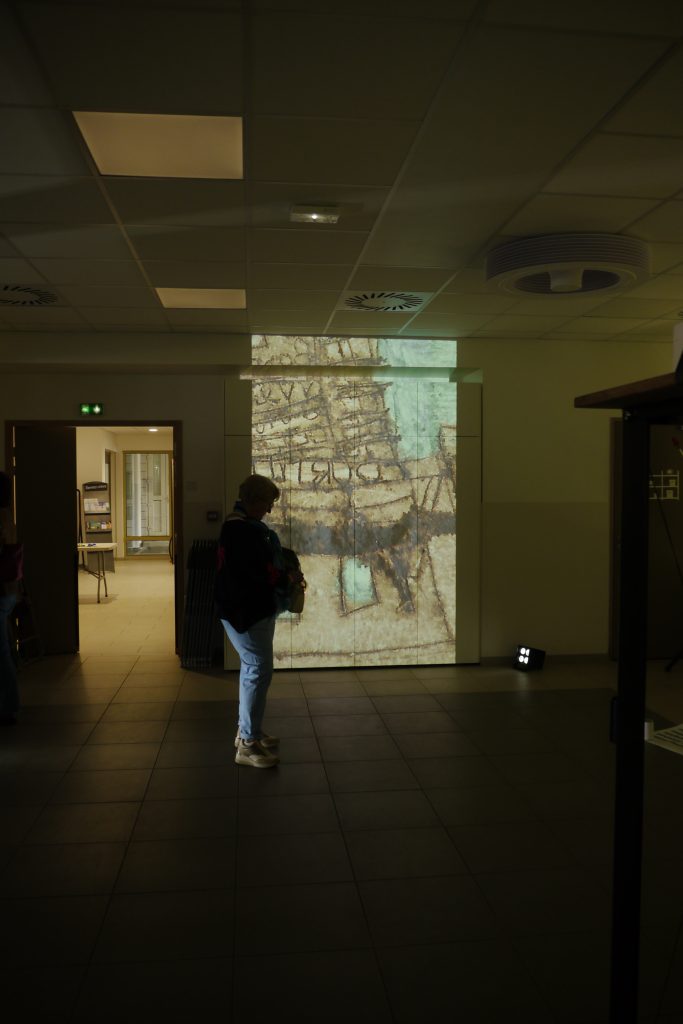
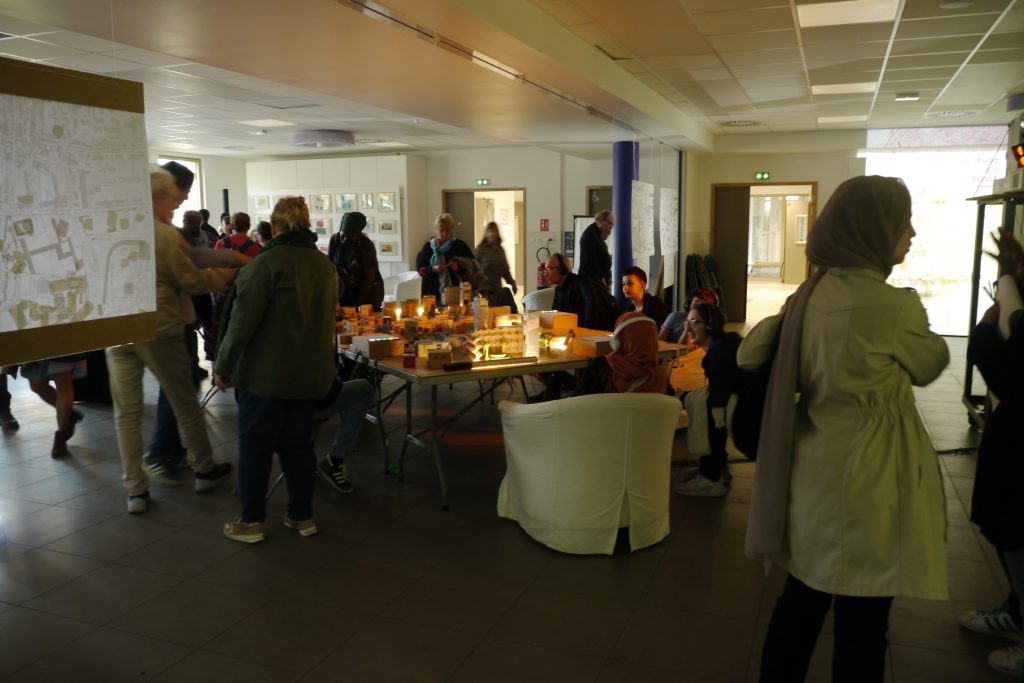
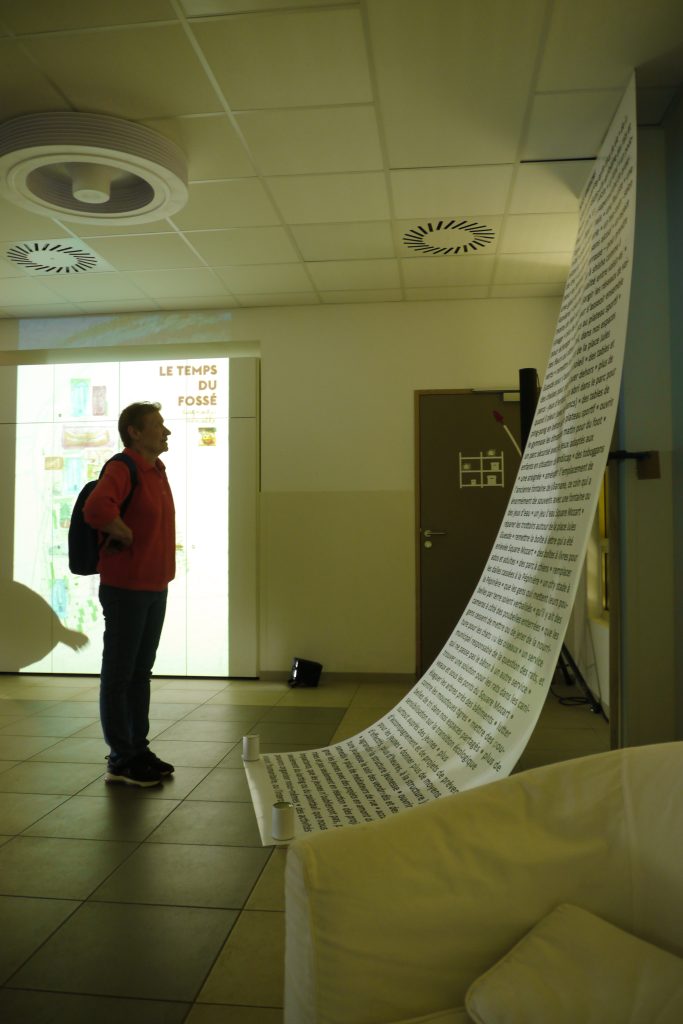
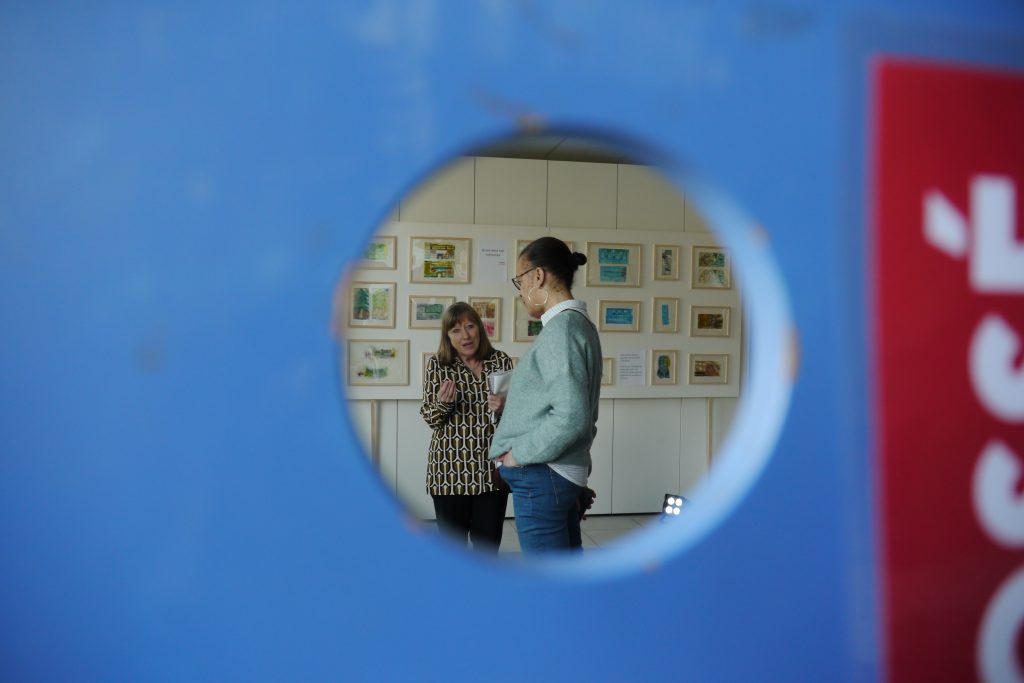
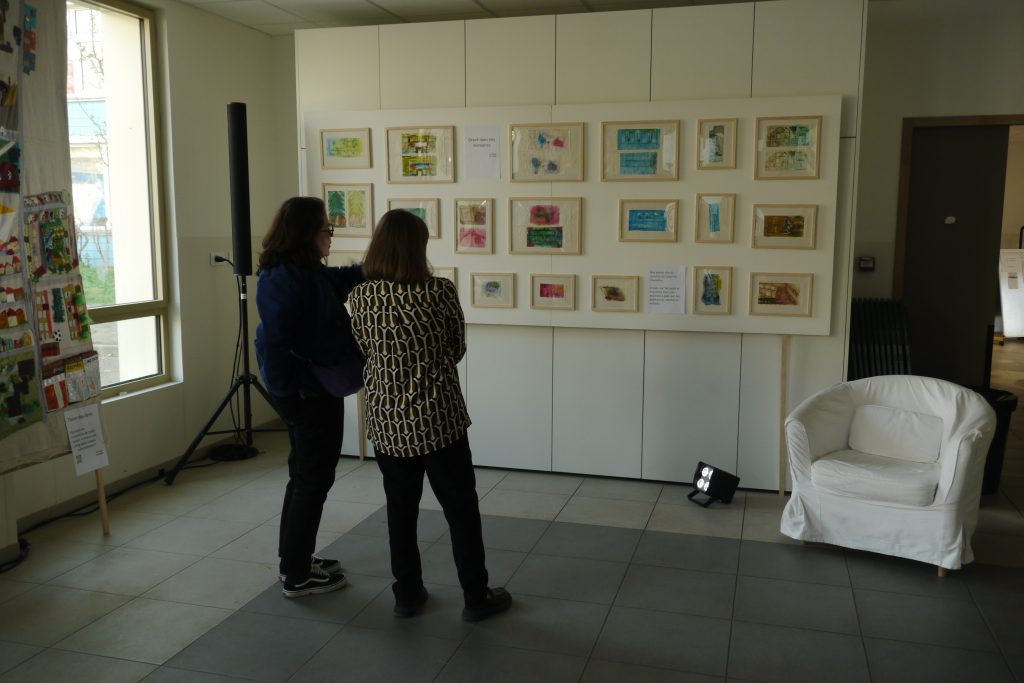
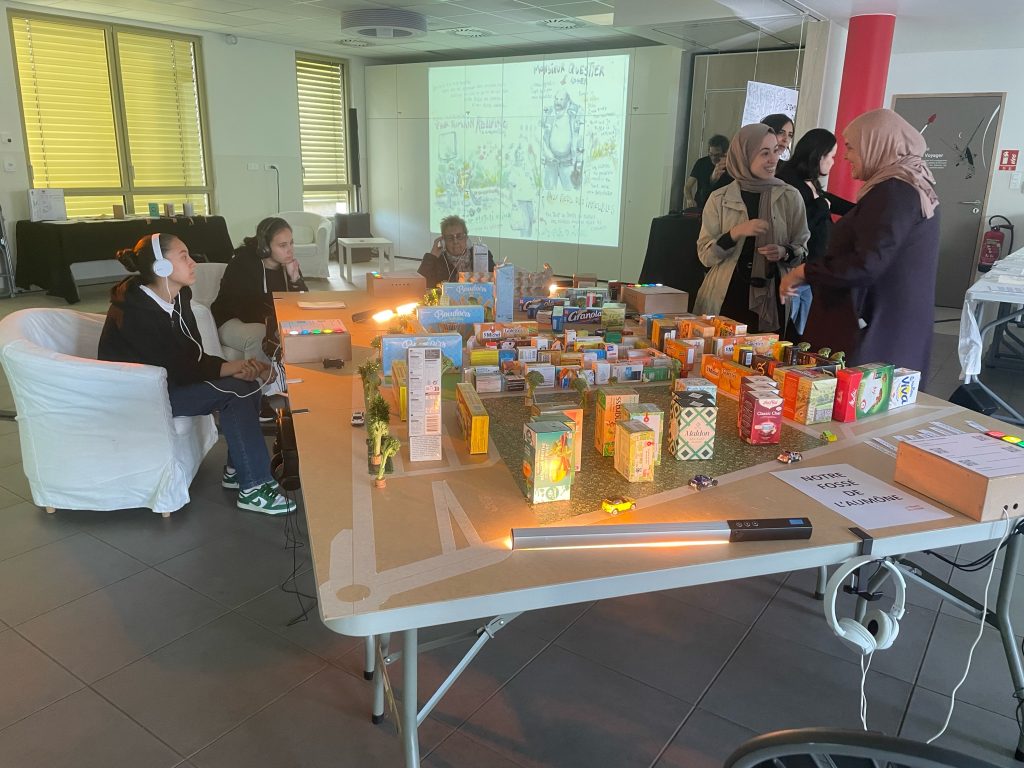
Restitution : Exhibition Visual representations of the neighbourhood (drawings, graphic "sensory maps," textile art, videos and photographs) were juxtaposed with audio testimonies staged around a large-scale model of the neighbourhood. Visitors could listen via headphones to a range of these oral accounts edited into themes such as "cultural life," "stigmatisation of young people," or " anti-social behaviour," while a list of reclamations and doléances was displayed on the wall. The exhibition opened with a discussion involving sixty people of all ages in an event that fostered a horizontal dialogue between residents and elected officials, with the mayor responding to residents presentations. A dozen adults and young people spoke about issues that most concerned them, such as traffic, rats, the need for soundproofing between apartments, single-parent families, social connection and solidarity.